Your cart is currently empty

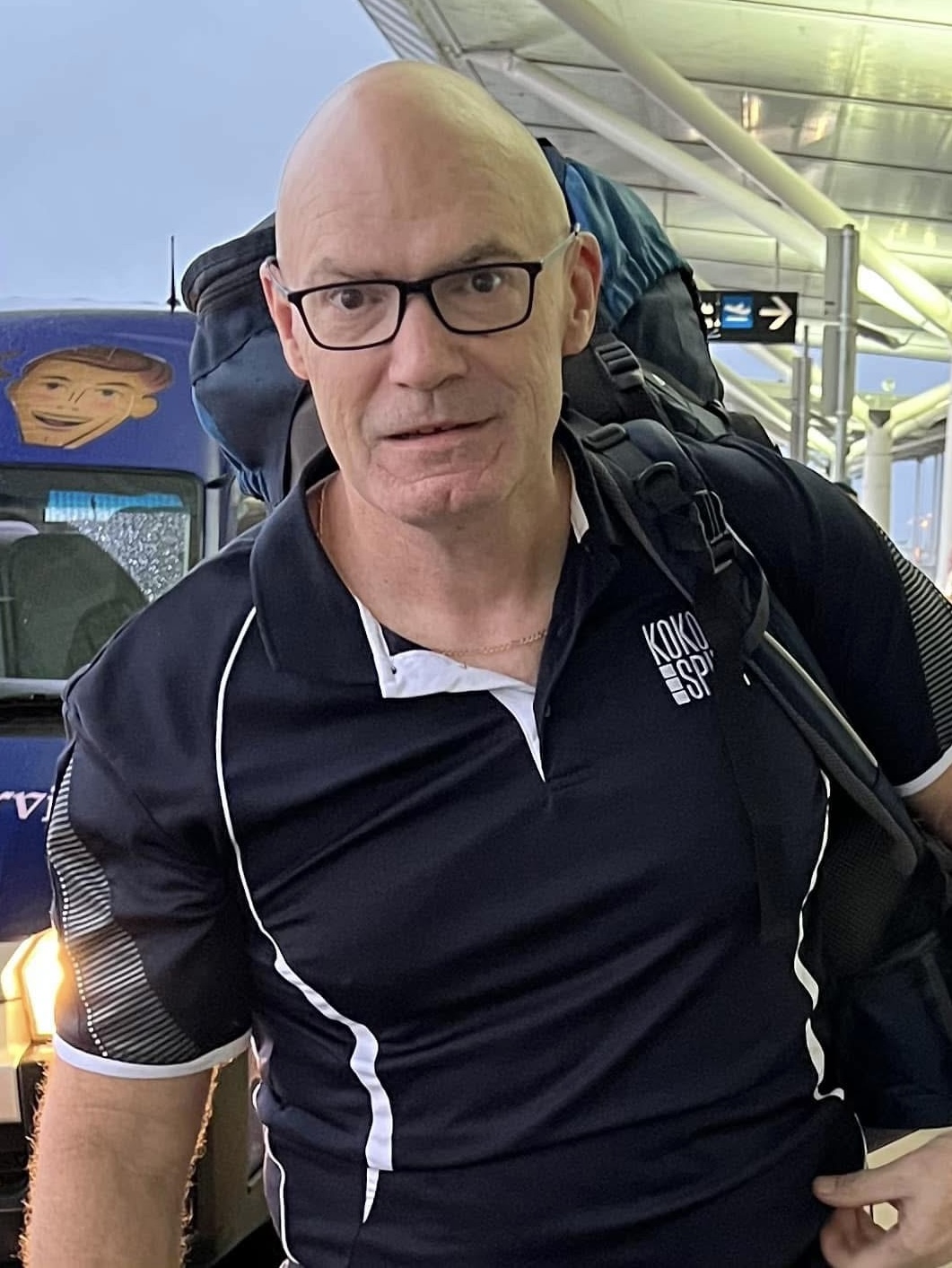
Cam is an Australian Trek Guide with Kokoda Spirit and a commissioned officer with the Queensland Police, bringing more than 37 years of operational service to the Track. His background includes extensive experience in planning, team leadership, and risk management — skills that translate seamlessly into safe, well-managed Kokoda expeditions.
Cam’s respect for the Kokoda Campaign is deeply personal. He is the great-grandson and grandson of two original ANZACs, and the nephew of a 2/22nd Battalion veteran who served with Lark Force during the ill-fated defence of Rabaul. This family legacy has shaped a lifelong respect for Australia’s military history and those who served.
A passionate military history researcher, Cam has assembled an extensive reference library of more than 52 books, along with copies of all official battalion diaries associated with the Kokoda and Northern Beaches campaigns. He is currently authoring Kokoda Diaries, a detailed work cross-referencing official diaries, personal papers, and firsthand veteran accounts to provide a definitive record of campaign events.
Cam has been walking the Kokoda Track since 2007 and considers every trek a privilege. During each journey, he delivers detailed history briefings using wartime maps and veteran interviews and offers an open invitation to Kokoda Spirit trekkers seeking assistance researching family members who served in the campaign.
His research and campaign knowledge have also contributed to the Queensland Police commissioning a memorial honouring one of its own who fell on the Sanananda Track in 1942.
Cameron McNeill (Cam) Australian Guide Profile Questionnaire
Role with Kokoda Spirit
Australian Guide
Trekking & Guiding Background
I have been trekking since 2007 and guiding as an Australian Guide since 2010. I am an avid Australian military history researcher, with the past decade focused specifically on the Kokoda and Northern Beaches campaigns. My research includes regular visits to the Australian War Memorial reading rooms and interviews with veterans, supported by an extensive personal library of reference books, campaign maps, and official records.
In 2009–2010, I undertook a detailed research project after identifying a Queensland Police member, Thomas John Logan, who was killed on the Sanananda Track north of Kokoda in 1942. As a result of that research, the Commissioner of Police authorised the commissioning of a memorial plaque at Sanananda, supported by Kokoda Spirit. In 2012, again with Kokoda Spirit’s assistance, we escorted Thomas Logan’s niece to the site where he fell to pay our respects — a deeply moving experience.
Since trekking with Kokoda Spirit, I have led seven treks on behalf of the Queensland Police and Queensland Emergency Services, along with more than thirteen additional treks.
Your Journey to Kokoda Spirit
In 2007, the Queensland Police undertook its first Kokoda trek with another operator. Due to identified risk management and safety concerns, we subsequently issued a tender request to all major trekking companies, seeking copies of their risk management and evacuation plans under commercial confidence.
Following a comprehensive review, Kokoda Spirit was clearly the most prepared and professional operator, with robust mitigation and crisis management plans in place to ensure both trekker and porter safety.
After my first trek with Kokoda Spirit, I was offered the opportunity to become an Australian Guide — a role I have always regarded as both a privilege and an honour. Over the past fourteen years, I have observed the conduct of all operators on the Kokoda Track, and as an experienced risk manager within law enforcement, I firmly believe Kokoda Spirit has not only maintained but continually improved the care and safety of its clients. I will not trek with any other company.
Connection to Kokoda History
I grew up with stories of my uncle, Hector McNeill, who escaped from New Britain after the fall of Rabaul, just prior to the Kokoda campaign. While in Port Moresby, he was preparing to fight on the Track as reinforcement but was evacuated to Australia due to illness. I have since visited New Britain to see where he fought with the 2/22nd Battalion and often reflect on what his fate may have been had he fought on Kokoda.
In my spare time, I continue to research the Kokoda and Northern Beaches campaigns. I offer an open invitation to all Kokoda Spirit trekkers who wish to research family members who served, to help them gain the maximum personal benefit from their trek. This research has given me deep insight into the individual Diggers, their sacrifices, and the impact on their families, reinforcing my commitment to sharing their stories with respect and accuracy.
A Moment That Never Gets Old
When we camp at the Isurava Battlesite, I sometimes invite trekkers to sit quietly around the memorial at night with their headlamps turned off. This is to recreate, in a small way, the experience of the 39th Battalion waiting in their weapon pits for the Japanese advance.
Trekkers often describe a profound sense of reverence, and some notice the ‘fireflies’ that many Diggers once mistook for enemy movement. Others speak of feeling a presence. I still get chills just thinking about it.
Which Direction Is “Easier”?
The easiest way is the charter flight to Kokoda.
In all seriousness, I believe Owers’ Corner to Kokoda is physically easier, as the final two and a half days are largely downhill — although you pay for it early with some hard climbing.
Personally, I prefer Kokoda to Owers’ Corner, as it allows trekkers to experience the history of the fighting withdrawal. No direction is truly easier, and I often say that to fully appreciate Kokoda, you need to walk it both ways.
The Most Meaningful Place on the Track
Every part of the Track holds spiritual meaning — even simply walking on it. The thought of wounded Diggers struggling back towards Port Moresby under such conditions is difficult to comprehend.
Bomana War Cemetery holds a special place for me. Walking along the rows of graves and reading the names and ages never fails to leave a lasting impression.
Favourite Village
All villages are special, but Efogi stands out as the symbolic halfway point of the Track. That said, if there’s a creek to swim in and a cold soft drink to buy, I’m happy wherever we camp.
Best Meal on the Track
Breakfast is my favourite — especially pancakes with honey and a fresh percolated coffee to start the day. Lunchtime donuts are also hard to beat.
One Item You’d Never Trek Without
My “string lamp” — a seven-metre string of lights I hang in the eating hut. It draws trekkers together to talk about the day, play cards, repair boots, and attend to minor medical needs. It creates connection, and the small things matter.
And my coffee percolator. A fresh-brewed coffee can lift spirits when someone is doing it tough.
What Makes a Great Kokoda Trekker
It’s not fitness or toughness. It’s embodying the four elements engraved on the granite pillars at Isurava: Courage, Mateship, Endurance, and Sacrifice.
The courage to attempt the trek, the mates you rely on, the endurance to keep going, and the respect gained for the sacrifices made by the Diggers.